





Quality assurance (QA) is one of the main steps in the process of software development. It requires careful management to ensure that the software is as robust and reliable as possible.
Defect management tools are an effective way of managing the defects, or errors, in software development projects. These tools provide automated processes for tracking and resolving defects, as well as providing visibility into the development process and enabling teams to work together more efficiently.
As a result, teams can identify and fix issues quickly, reducing the risk of costly remediation and improving the quality of the software.
By using defect management tools, teams can increase the quality of their software while also reducing the time and effort spent on quality assurance.
Key Takeaways
- Defect management tools help teams catch bugs early in development. This reduces rework, delays and production risks.
- A single platform (defect management tool) keeps all defects in one place. Teams waste less time chasing updates or missing information.
- The dashboards in defect management tools show the defect status and testing progress clearly. Managers can make faster and better decisions.
- Tools have built-in collaboration features that help keep QA and developers aligned. Issues get fixed faster with fewer misunderstandings.
- Structured defect tracking improves quality over time. Teams learn from past issues and prevent repeat defects.
The Importance of QA in Software Development
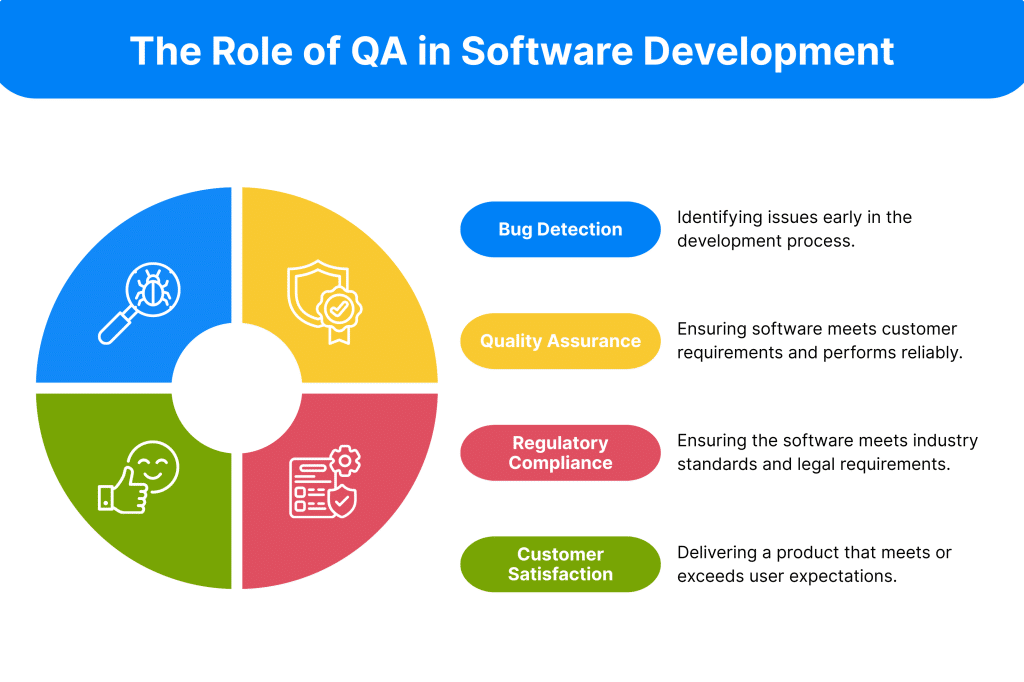
QA ensures software products meet high standards of quality and reliability. It does that by helping in identifying and eliminating defects early in the software development lifecycle. The cost and time required for fixing issues in later stages of development are reduced as a result.
Software QA also ensures that software products meet customer requirements and expectations, resulting in greater customer satisfaction and loyalty.
Furthermore, it also plays a crucial role in ensuring that software products comply with industry standards and regulations, thus minimizing legal and financial risks for companies.
All in all, implementing a robust QA process is crucial for:
- Delivering high-quality software products
- Comply with industry standards
- Meet customer expectations
- Ensure customer satisfaction and loyalty
What is Defect Management?
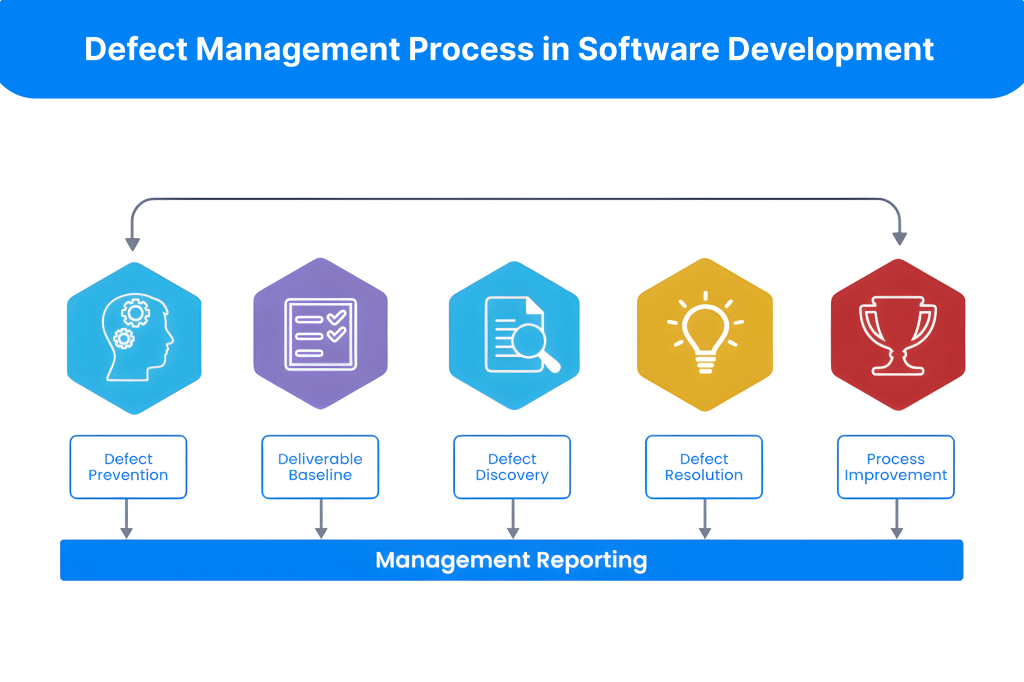
Defect management is the process of identifying, tracking, reporting, and managing issues or defects that are found during software development.
It is an essential part of quality assurance and helps in ensuring that the software product meets the specified conditions and quality standards.
That said, the defect management process typically involves the following steps:
- Identification of Defects: This step involves the identification of defects or issues during the testing phase of software development.
- Logging Defects: The identified defects are then logged into a defect management tool along with the details. These details can include the severity of the issue, the steps to reproduce the problem and the environment in which the issue occurred.
- Prioritization of Defects: Defects are prioritized based on their severity and impact on the software product.
- Assigning Defects: Defects are assigned to the relevant team members for resolution.
- Resolving Defects: The assigned team members work on resolving the defects or issues.
- Verification of Defect Fixes: The fixes for the defects are verified to ensure that the issue has been resolved.
- Closing Defects: Once the defects have been resolved, they are closed in the defect management tool.
Defect Management Tools that You Can Use
In simple terms, defect management tools are basically software applications that help in managing defects in software development.
These tools provide a centralized platform for defect tracking, collaboration and reporting. They give developers the ability to record bugs, assign them to the right team members, and monitor their progress until they are fixed
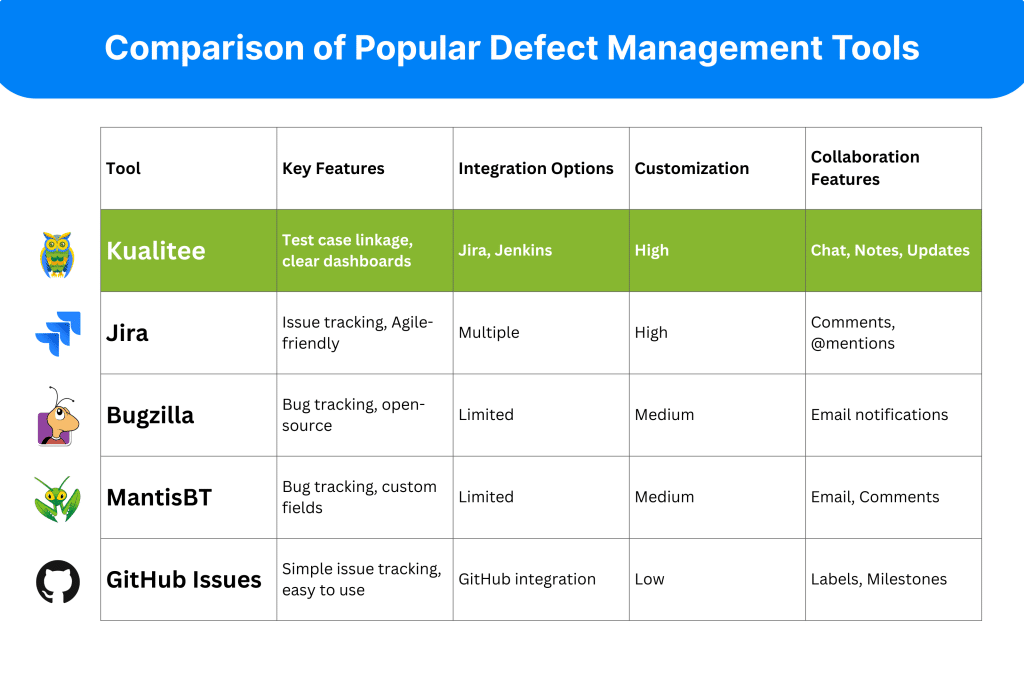
Now, there are numerous defect management tools on the market that you can use, each with a unique set of attributes. Some of the popular defect management tools are as follows.
Kualitee
Kualitee is a test management tool that provides a range of features to help with the management of defects.

It offers a centralized platform for managing the entire testing process, including defect management. You an easult track defects by linking bugs directly with test cases and requirements. This helps teams clearly understand where an issue came from and why it matters.
The tool gives clear dashboards so managers can quickly see defect status and testing progress. And the best part? Team collaboration is heavily supported as Kualitee keeps all defect-related discussions and updates in one place.
All this makes day-to-day QA work more organized and less manual.
Other Notable Tools are:
- Jira: Jira is a popular issue tracking tool developed by Atlassian. It helps keep track of problems, issues, and tasks. Software development teams utilize it extensively.
- Bugzilla: The Mozilla Foundation developed this open-source bug tracking tool. It is designed to help software developers track and manage defects in software projects.
- MantisBT: Software development teams can use the open-source issue tracking software, MantisBT. It provides features like bug tracking, custom fields and email notifications.
- GitHub Issues: GitHub Issues is an issue tracking tool provided by GitHub. It is a straightforward and useful application for keeping track of bugs in software projects. GitHub Issues provides features like issue tracking, labels and milestones.
Advantages of Defect Management Tools
Using defect management tools in your software development processes has many advantages. Some of them are as follows.
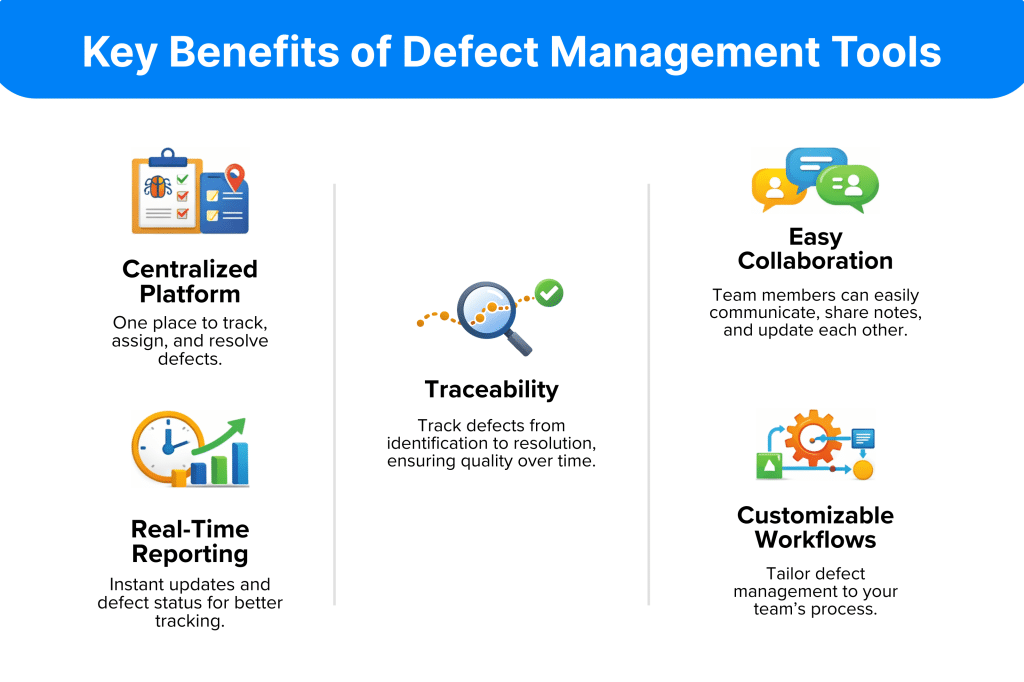
1. Centralized Platform
Defect Management Tools provide a centralized platform for defect tracking.
As a result, developers can easily log bugs, assign them to the right team members, and monitor their progress until they are fixed.
2. Easy Collaboration
With defect management tools, you can enable collaboration between members of the team.
Developers can communicate with each other regarding the defects by adding comments, sharing screenshots, and assigning tasks to each other.
3. Real-Time Reporting
You get instant updates as defect management tools provide real-time reporting on the status of defects.
This also helps the team members as they can identify defects that require urgent attention and prioritize them accordingly.
4. Customizable Workflows
Defect management tools give you customizable workflows that can be tailored to the specific needs of a project.
These workflows ensure that the team follows a consistent process for defect management, which leads to better quality assurance.
5. Traceability
The tools provide traceability of defects from identification to resolution.
You and the team can identify the root cause of defects and take steps to prevent them in the future, instead of just fixing them whenever they occur.
Conclusion
Defect Management Tools are an important part of quality assurance in software development. And that’s because they provide a centralized platform for defect tracking, as well as collaboration and reporting.
Using them can help software development teams identify and manage defects effectively, leading to better quality assurance.
Furthermore, development teams can also better manage their workflow with these tools and ensure timely defect resolution. Ultimately, this leads to the delivery of high-quality software to their end-users.
Lastly, while there are various defect management tools available in the market, it is crucial to select the one that aligns with your organization’s specific needs and goals.
Frequently Asked Questions (FAQs)
Q1) How do defect management tools help reduce defect leakage?
These tools help teams catch issues earlier and track them across builds. Due to this, they are able to stop bugs from slipping into production and reduce post-release surprises.
Q2) Can defect management tools support Agile and Scrum teams?
Yes. Most tools adapt to sprint-based workflows and help teams manage bugs alongside user stories without slowing delivery.
Q3) What metrics can teams track using defect management tools?
Teams can monitor trends like defect density, resolution time, and reopen rates to spot quality risks early.
4) Do defect management tools help with SLA and compliance reporting?
They provide clear audit trails and timestamps that support SLA tracking and compliance reviews with minimal manual effort.