




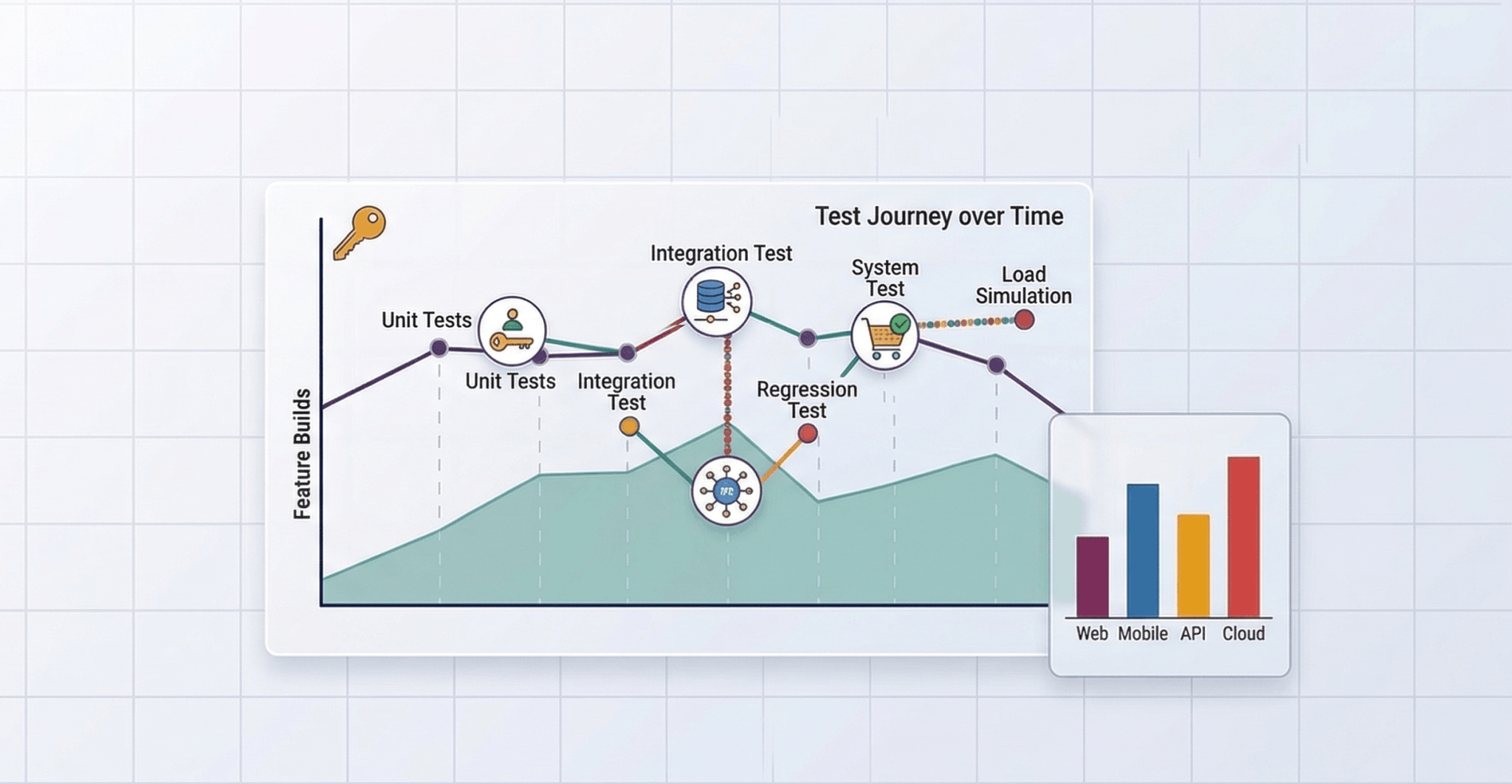
Software testing is an important part of the development process. It ensures that a program functions correctly and meets user expectations.
However, understanding the different types of program testing can be overwhelming. Each type serves a unique purpose and is used at various stages of development.
From unit testing to user acceptance testing, each method has its own role. Knowing when and how to apply these tests is crucial for success.
This guide will explore the main types of software testing. It will help you choose the right testing methods for your projects.
What is Software Testing?
Software testing is the process of evaluating a program to ensure it functions as intended. It involves executing the program to identify any errors or bugs.
Testing verifies multiple aspects of the software. Here are some key objectives:
- Ensuring software reliability
- Improving performance and security
- Enhancing user satisfaction and experience
These activities help deliver a high-quality product.
Why is Software Testing Important?
Software testing is critical for successful project delivery. It helps detect problems early, saving both time and cost.
Effective testing ensures that the software is robust and reliable. Key benefits include:
- Protecting business reputation
- Meeting user expectations
- Reducing risks of software failure
Thus, testing plays a crucial role in software development.
Main Categories of Software Testing
Software testing is typically divided into two main categories:
- Functional Testing
- Non-Functional Testing
Each serves a distinct purpose and targets different aspects of a software application.
Functional testing ensures the software’s features work as required. Non-functional testing assesses aspects such as performance and usability. Both are crucial for a high-quality product.
Functional Testing Types
Functional testing focuses on verifying that software behaves as expected. It evaluates each function through a series of defined inputs and expected outputs. This ensures that the application fulfills the necessary requirements.
There are several types of functional testing, each targeting a specific aspect. Understanding these helps ensure comprehensive test coverage throughout the development process.
Key functional testing types include:
- Unit Testing
- Integration Testing
- System Testing
- Smoke Testing
- Regression Testing
- User Acceptance Testing (UAT)
Selecting the right type depends on the testing phase and specific project requirements.
Unit Testing
Unit testing involves examining individual units of code. This ensures that each component performs correctly in isolation.
Integration Testing
Integration testing evaluates the interaction between integrated components. It checks for smooth communication and compatibility.
System Testing
System testing assesses the complete software system. It ensures that the application meets all specified requirements.
Smoke Testing
Smoke testing is a preliminary test to confirm basic functionality. It acts as a quick assessment before more detailed testing.
Regression Testing
Regression testing ensures that changes do not negatively impact existing functionality. It identifies and fixes unexpected bugs.
User Acceptance Testing (UAT)
User Acceptance Testing involves real users validating the software. It ensures the system meets their needs and expectations.
Non-Functional Testing Types
Non-functional testing evaluates how well a system operates.
It focuses on aspects like performance, usability, and security, which are essential for user satisfaction.
This type of testing ensures the software’s robustness and efficiency under various conditions.
Key non-functional testing types include:
- Performance Testing
- Load Testing
- Stress Testing
- Security Testing
- Usability Testing
- Compatibility Testing
These tests differ from functional testing by concentrating on the quality attributes of the software. Mastering these tests can greatly enhance the end-user experience.
Performance Testing
Performance testing assesses the system’s speed and scalability. It ensures the application performs well under expected conditions.
Load Testing
Load testing verifies the application’s capacity under typical user loads. It helps identify bottlenecks and improve performance.
Stress Testing
Stress testing evaluates the application’s stability under extreme conditions. It determines how well the system manages overloads.
Security Testing
Security testing identifies vulnerabilities in the software. It helps protect the application from threats and potential breaches.
Usability Testing
Usability testing examines the software’s user-friendliness. It focuses on ease of navigation and an intuitive user interface.
Compatibility Testing
Compatibility testing ensures the software works across different platforms. It includes testing across various devices, browsers, and systems.
Manual vs. Automated Testing
Manual testing and automated testing both play crucial roles in software quality assurance.
Manual testing involves human effort to execute test cases without assistance from tools. It focuses on user interface and experience, allowing testers to explore features organically.
Automated testing, on the other hand, utilizes scripts and software tools to execute tests. This approach can handle repetitive tasks efficiently and ensures greater coverage. This type of testing is ideal for regression tests and large-scale projects.
Choosing the right approach depends on project needs, budget, and timeline. Key factors include complexity, frequency of testing, and available resources.
Other Types of QA Testing
Quality assurance involves various testing types beyond just functional and non-functional tests. They provide insights into software reliability and user satisfaction. Each type has unique goals and techniques.
That said, some widely used QA testing methods include:
- Alpha and Beta Testing
- Exploratory Testing
- Black Box, White Box, and Grey Box Testing
Alpha and Beta Testing
Alpha testing is performed by internal teams before external release.
Whereas Beta testing involves real users for feedback before the final launch.
Exploratory and Ad Hoc Testing
Exploratory testing combines learning, test design, and execution on the fly.
Ad hoc testing is informal, relying on intuition and experience.
Black Box, White Box, and Grey Box Testing
These tests differ in approach and focus.
- Black box testing evaluates software from a user’s perspective without code knowledge.
- White box testing analyzes the internal code structure and design.
- Grey box testing incorporates both methodologies to provide a comprehensive analysis.
Choosing the Right Testing Types for Your Project
Selecting the suitable types of program testing is very important for project success. Consider the project’s goals, timeline, and resources when making decisions. Different tests suit various stages and aspects of development.
Here are the steps to guide your choice:
- Define Objectives: Determine what each test should achieve.
- Evaluate Resources: Assess available time and budget.
- Assess Risks: Identify critical areas that need thorough testing.
Conclusion
Understanding different types of software testing is vital for delivering high-quality products. Each type serves a unique purpose in the development lifecycle.
By using the appropriate tests, you ensure your software meets user expectations and quality standards. Carefully choosing testing methods can significantly impact the project’s success.